
Dam Guide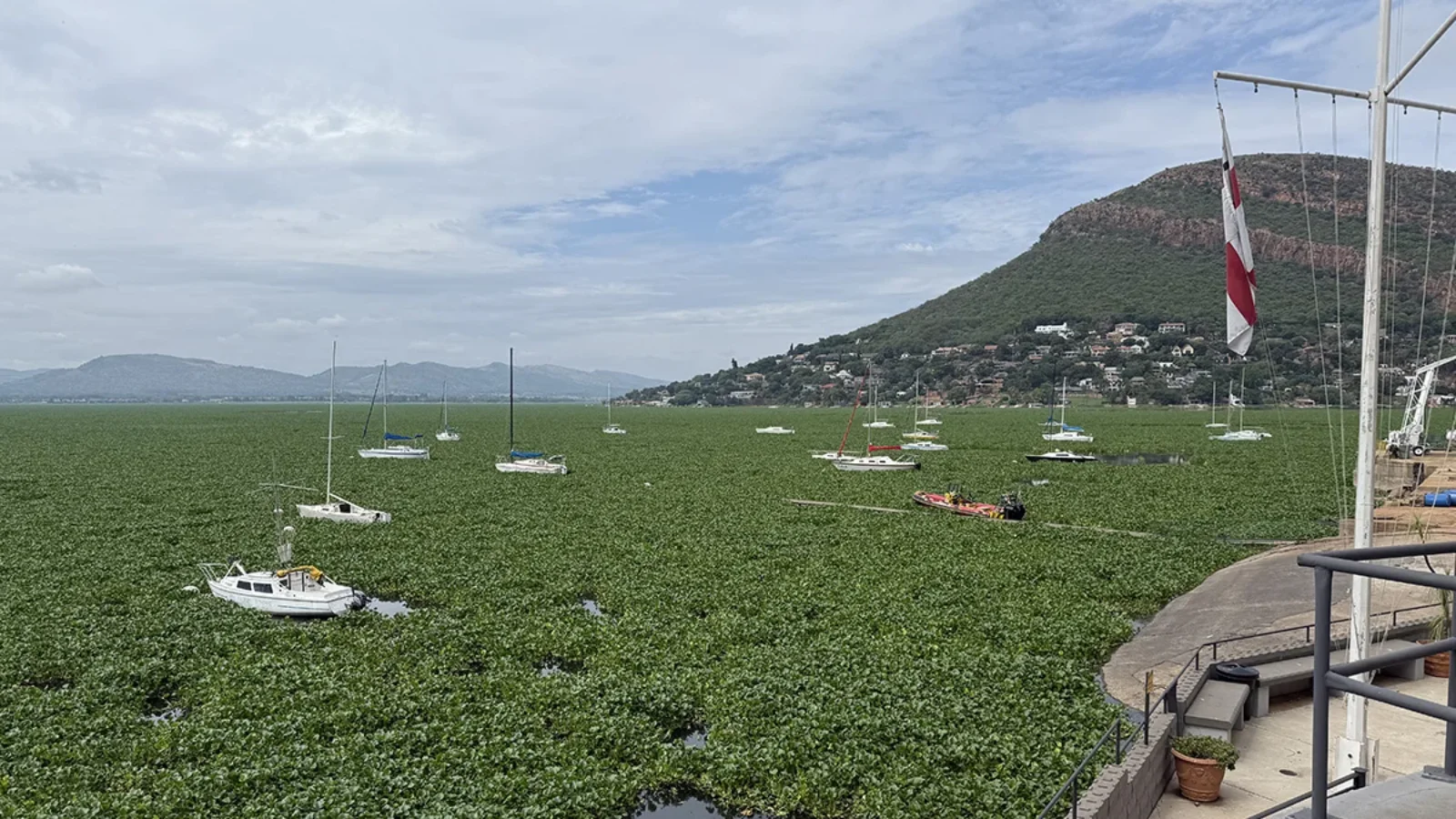
Hartbeespoort - The Complete Guide
Explore Hartbeespoort Dam fishing, from big carp and barbel to bass opportunities, while understanding the hyacinth, pollution and boating challenges.
Province
North West
BassCarpBarbel
Hartbeespoort Dam Fishing Guide
Hartbeespoort Dam is one of South Africa’s most well-known dams, and in many ways, it is a dam of two stories. On one side, it remains a scenic and iconic body of water tucked beneath the Magaliesberg, less than an hour from Johannesburg and Pretoria. On the other, it is a dam that has taken a serious knock over the years, with pollution, sewage inflows and recurring water hyacinth infestations changing the experience dramatically.
What was once seen by many as a beautiful nearby escape has become more of a hit-and-hope destination, especially for boaters and bass anglers. Yet Harties is far from dead. The dam still holds very large fish, remains popular with carp and barbel anglers, and can still offer a memorable day out when conditions line up.
Overview of Hartbeespoort Dam
Hartbeespoort Dam, often simply called Harties, sits in the North West province below the Magaliesberg mountains. Its location close to Gauteng has always made it a popular short-distance escape for anglers, day visitors and water users.
The dam still has beautiful scenery, dramatic mountain backdrops and a developed shoreline lined with homes, jetties and waterfront properties. From the water, it can still feel like a very special place. The problem is that the dam’s condition has become increasingly unpredictable.
Large sections of the surface can become covered by water hyacinth, an invasive aquatic plant that thrives in nutrient-rich water. Hartbeespoort Dam receives heavily impacted inflows from rivers such as the Jukskei, where sewage leaks, wastewater failures and urban pollution continue to add nutrients to the system. These conditions help fuel the hyacinth problem and make long-term control extremely difficult.
There are ongoing control efforts. Biological control programmes using specialised insects, especially the water hyacinth planthopper, have shown that they can reduce surface coverage significantly under the right conditions. However, researchers have also warned that the dam contains a large established hyacinth seed bank in the sediment, and water hyacinth seeds can remain viable for 20 years or longer, with one field case study suggesting viability may exceed 28 years. That means the problem is not something that disappears after one good winter or one successful clearing phase.
What Fish Can You Catch at Hartbeespoort Dam?
Despite its challenges, Hartbeespoort Dam still holds some quality fish and remains a very relevant fishing destination.
The main species anglers target include:
Carp
Barbel
Bass
Carp and barbel fishing remain particularly popular at Harties, with the dam still producing good fish for patient bank anglers and session anglers. Bass are also present, and decent fish can still be caught, but the hyacinth has made boat-based bass fishing far more difficult and, at times, risky.
Fishing at Hartbeespoort Dam
Hartbeespoort is a deep dam with a shoreline made up largely of rocky banks, jetties, waterfront structures, houses and scattered grass lines. Under normal conditions, this mix of depth, hard structure and man-made cover would make it a very interesting dam to fish.
For carp and barbel anglers, the dam still offers genuine potential, especially from accessible bank areas and longer-session venues. For bass anglers, the water can still produce, but the experience is heavily influenced by hyacinth coverage, wind direction and whether boat access remains open throughout the day.
One of the more surprising things about Harties is that, in places, the water can still appear relatively clear, with visibility of a few feet at times. However, clearer-looking water should not be mistaken for clean or healthy water. The dam’s nutrient enrichment and pollution issues are well documented, particularly in relation to sewage-impacted inflows.
A Few Bass Fishing Pointers
Hartbeespoort Dam can still produce decent bass, but it is no longer a simple “launch and go” bass venue. The biggest factor is not always the fishing itself — it is whether the hyacinth allows you to fish effectively and return safely.
Where conditions are manageable, bass anglers can look towards:
Rocky banks
Jetty lines and waterfront structure
Edges of grass or isolated cover
Open pockets and reachable structure between hyacinth mats
Because the dam is deep and structure-rich, it still has the ingredients to hold solid bass. However, thick hyacinth can block productive banks, cut off access routes and make boat positioning frustrating or unsafe.
For boat anglers, Harties needs to be approached with caution. A launch that is open in the morning can become blocked later in the day as wind shifts mats of hyacinth across the dam. That means every boat trip needs to be planned carefully, with conditions watched throughout the day rather than only at launch time.
A Few Carp Fishing Pointers
Hartbeespoort Dam remains very popular among carp anglers, and for good reason. While the dam’s environmental issues are impossible to ignore, it still holds strong fish and continues to draw bank anglers looking for longer sessions.
Carp anglers should focus on the dam as a venue where:
Patience matters
Longer sessions can pay off
Productive areas may depend heavily on access and local conditions
Weed and hyacinth movement can influence where you fish and how you manage lines
Because hyacinth can shift with wind and collect along banks, it is worth thinking practically about where you set up. A swim that looks open at first can become uncomfortable or difficult if floating weed starts pushing in. Choosing an area with room to adapt, and keeping your setup tidy, can make a big difference.
Best Time to Fish Hartbeespoort Dam
Hartbeespoort can be unpredictable, and the “best time” is often less about season alone and more about current hyacinth coverage, wind direction and recent water conditions.
Winter often gives people renewed hope, because colder conditions can reduce visible hyacinth pressure and make parts of the dam look more manageable. However, researchers involved in the dam’s biological control efforts have warned that regrowth from the established seed bank can follow again as conditions warm, especially in a nutrient-rich system.
For anglers, that means:
Check the latest conditions before going
Watch wind forecasts carefully
Be especially cautious with boat launches
Do not assume a clear launch in the morning will stay clear all day
Carp and barbel anglers may still find the dam worthwhile through different parts of the year, while bass anglers will generally need more favourable access and open-water conditions to fish effectively.
Facilities, Access and General Visitor Info
Hartbeespoort Dam remains a popular recreational area with a highly developed shoreline. There are private homes, waterfront properties, jetties and established access points around the dam, and the wider Hartbeespoort area is still a well-known day-trip and weekend destination.
Some people continue to ski and jet ski on the dam, but given the ongoing pollution concerns and the presence of large hyacinth mats, we would not recommend treating Harties as a carefree water recreation venue without checking the most up-to-date conditions first. The broader water-quality concerns linked to sewage pollution in the catchment make caution sensible, especially for direct contact with the water.
For anglers, the dam can still offer:
Short-distance access from Johannesburg and Pretoria
Beautiful mountain scenery
Bank fishing opportunities
Carp and barbel potential
Some bass fishing when conditions allow
Things to Keep in Mind Before Visiting
Hartbeespoort Dam is not a venue to visit blindly. It can still reward anglers, but it demands a bit more planning than most dams.
Hyacinth Can Change the Day Quickly
The water hyacinth problem is the single biggest practical issue for anglers and boaters. Wind can move large rafts of plant material across the dam, and a boat launch that is usable early in the morning may become blocked by the afternoon. Plan boat outings extremely carefully and keep a close eye on shifting conditions.
Pollution Is a Real Concern
The dam continues to receive nutrient-rich, polluted inflows, with sewage and urban contamination in the wider catchment remaining part of the ongoing problem. Even when the water looks fairly clear, it is wise to treat direct contact cautiously. Wash your hands properly after handling fish or touching the water, and avoid touching your face or eating immediately afterward without cleaning up first.
Boat-Based Bass Fishing Can Be Risky
Harties still holds bass, but heavy hyacinth can make navigation difficult and create real frustration for boat anglers. It can limit access to structure, clog areas near launches and turn what should be a straightforward session into a stressful one. When the hyacinth is bad, a bass boat trip may simply not be worth the risk.
It Is Still a Beautiful Dam — Just a Dam Under Pressure
It would be unfair to describe Hartbeespoort Dam as only a lost cause. It still has magnificent scenery, it still holds fish, and there are people and organisations actively working to improve its condition. But it is equally important not to sugar-coat the reality: the dam has been neglected for too long, and a full recovery is likely to be a long-term fight rather than a quick turnaround.
Final Thoughts on Fishing Hartbeespoort Dam
Hartbeespoort Dam is one of South Africa’s most complicated fishing destinations. It is beautiful, historic and still full of potential — but it is also a dam carrying the consequences of years of pollution, wastewater problems and invasive hyacinth growth.
For carp and barbel anglers, Harties still has real appeal and remains a worthwhile venue when access and conditions are right. For bass anglers, there are still fish to be caught, but boat-based fishing has become far more hit-and-miss due to the hyacinth problem.
This is not a dam we would write off. But it is a dam that deserves honesty. Hartbeespoort can still give you a memorable day on the water or along the bank, especially with those Magaliesberg views in the background — just arrive informed, plan wisely and respect the challenges the dam is currently facing.