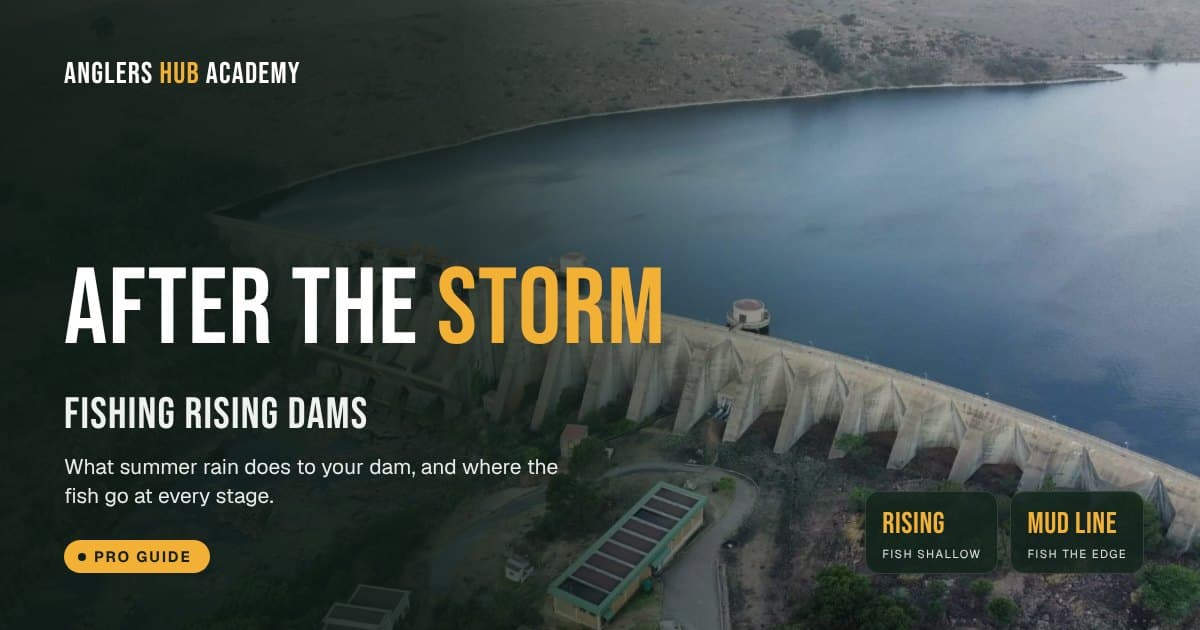
Most of South Africa gets its rain in summer. After a run of afternoon storms a dry Highveld dam can climb several percent in a week, and when it does the fishing changes overnight. Fish push into water that was dry grass a few days ago. Brown rivers slide into the clear dam. Some anglers blank because they go back to their usual spot. Others have the best day of their year.
This guide explains what rain does to a dam and its fish, and how to fish each of the four stages that follow: the first rise, the muddy inflow, the full or spilling dam, and the slow fall afterwards.
In 30 seconds
- Rising water floods new food. Fish follow it into the shallows, often in less than a metre.
- Muddy river water sinks under the warm dam water and runs along the old river channel. Fish the mud line and the inflow arms.
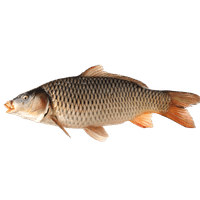
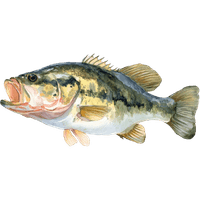
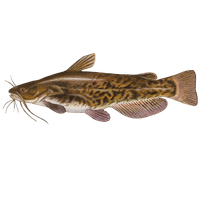
- Bass struggle in mud, carp and barbel do not. Use vibration for bass and smell for carp and barbel.
- Falling water pulls fish back to the first drop-off and the points outside the bays.
- Check the dam levels every week. The weekly change tells you which stage your dam is in before you leave home.
Facts are marked by how sure the science is. Where something is well proven, we say so. Where it is angler experience, we say that too.
Sign in to keep reading
Create a free AnglersHub account or sign in to read more of this guide. The full guide is part of AnglersHub Pro.
You come straight back to this guide afterwards.
Why rising water switches fish on
When a dam rises, water spreads over grass, bushes and soil that have been dry for months. That ground is packed with food fish never normally reach.
- Insects, worms and grubs washed out of the soil and grass.
- Seeds and plant matter that carp and kurper eat.
- Frogs, crabs and small animals pushed out of the old margins.
- A pulse of nutrients from soil and inflowing rivers, which feeds algae, plankton and the whole food chain over the following weeks.
Fish find it fast. Fisheries scientists call this the flood pulse: when water spreads onto land, fish move onto the flooded ground to feed and breed, and growth and breeding success often jump in wet years (Junk and others, 1989, well established for rivers and floodplains). Reservoirs behave the same way on a smaller scale. A dam that rises after a dry spell gives fish fresh feeding ground every day it keeps rising.
Days to weeks how long the best fishing lasts on a rise
Under 1 m where fish often feed on new flooded edges
Weekly how often DWS updates dam levels
Flooded grass is a nursery too
Several of our fish breed on newly flooded ground in summer.
- Carp lay sticky eggs on freshly flooded grass and weed. A rise after good rain often triggers a spawn in late spring and early summer.
- Barbel (sharptooth catfish) crowd into newly flooded shallows to spawn on dark nights after heavy rain. Their eggs stick to the flooded plants (Bruton, 1979). Our big barbel guide covers this in detail.
- Bass and kurper follow the small fish, frogs and insects into the new cover.
Myth: rain puts the fish off, so stay home until it clears.
Fact: lightning is the real reason to stay home. Rising water itself is one of the best feeding triggers of the year. The trick is to fish where the water is new, not where you caught them last month.
Keep reading with AnglersHub Pro
The other 10 sections of this guide are for Pro members. Pro also unlocks Billy the Bot, Fish ID, the live weather map and your personal bite windows.