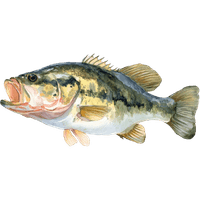
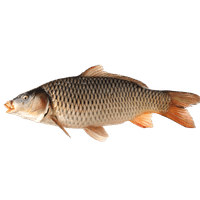
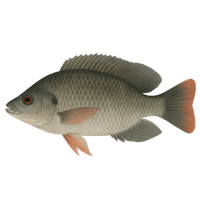
The tackle shop wall can be overwhelming. Hundreds of rods, reels in every size, line in a dozen colours and lures that cost more than lunch. The good news: to start fishing South African dams you need very little, and the right basic kit will catch bass, kurper and small carp from the same bank.
This guide tells you exactly what to buy, what to skip for now, and how to set it all up at home so your first trip is about fishing, not untangling.
In 30 seconds
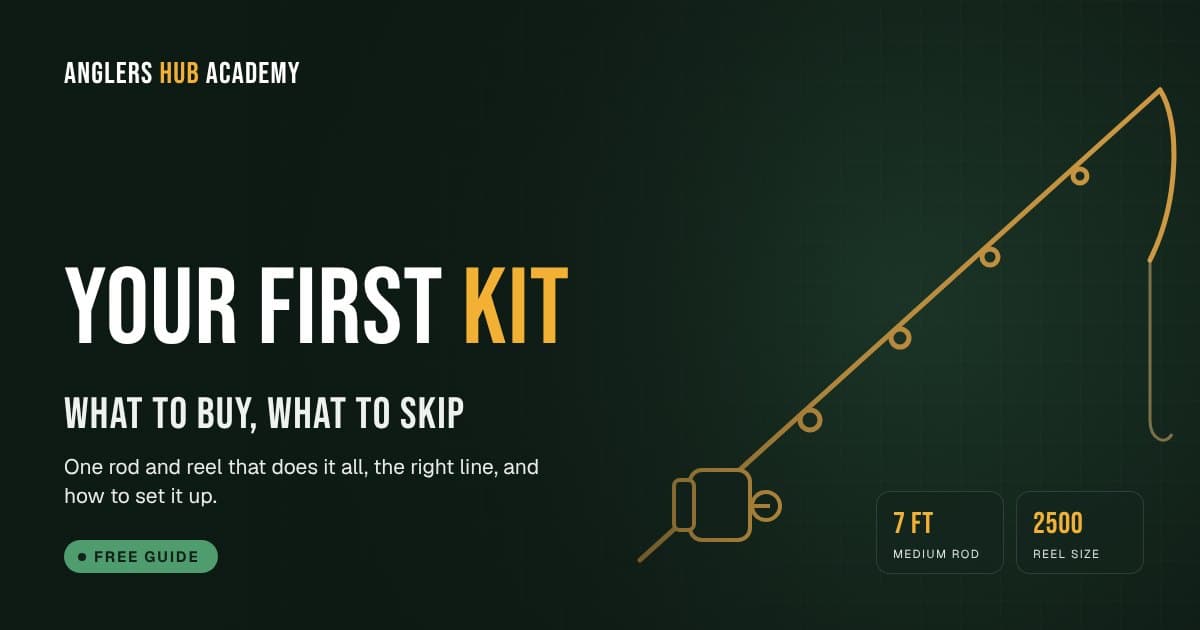
- One spinning combo: a 2.1 m (7 ft) medium rod with a 2500 size reel does almost everything.
- Line: 4 to 6 kg mono to start. Easy to tie, forgiving and cheap.
- A small box: offset hooks, a few small sinkers, soft plastic worms, a float and some size 10 to 12 hooks.
- Must-haves: long-nosed pliers, line clippers, polarised glasses and a hat.
- At home: spool the line the right way and set the drag to about a quarter of the line's strength.
Video coming soon
The one rod and reel to start with
Start with a spinning combo: a spinning rod with a reel that hangs under it. It is the easiest setup to cast, it rarely tangles, and it suits bass lures, kurper floats and light carp fishing.
2.1 m (7 ft) rod length
Medium rod power
2500 reel size
4 to 6 kg line strength
- Rod length: about 2.1 m (7 ft). Long enough to cast well, short enough to be accurate around reeds and trees.
- Power: medium. The power is printed on the rod near the handle, often with a lure weight range like 5 to 20 g.
- Action: fast. The tip bends, the rest stays stiff, which helps you set the hook.
- Reel: size 2500 (sometimes 2000 to 3000). Turn the handle in the shop: it should feel smooth, with no grinding.
A matched combo from a known brand is the best value for a beginner. Expect to pay roughly R600 to R1,200 for a decent starter combo at South African tackle shops. (Price guide only, October 2026.)
Buy local: a tackle shop near you will often spool your reel for free, tell you which dams are fishing well and show you how to tie your first knot. That advice is worth more than a small online discount.
Keep reading for free
Create a free AnglersHub account or sign in to read the rest of this guide. It takes less than a minute and opens every free guide in the Academy.
You come straight back to this guide afterwards.
Line: start with mono
Line is the only thing connecting you to the fish, so do not buy the cheapest spool in the bin. But you also do not need the fancy stuff yet.
Monofilament (start here)
- Easy to tie and forgiving of mistakes.
- Stretches, which helps beginners keep fish on.
- Cheap enough to replace often.
- 4 to 6 kg (about 0.25 to 0.30 mm) for an all-round setup.
Braid (later)
- Thin, strong and no stretch, so you feel every bite.
- Needs a fluorocarbon leader for clear water.
- Slips with some knots and tangles more on a poor cast.
- Worth it once you fish soft plastics often.
Change mono at least once a season, or sooner if it looks dull, kinky or chafed. Sun and heat weaken it.
Your starter tackle box
Keep it small. These will catch bass, kurper and small carp.
For bass
- Offset worm hooks, size 1/0 to 3/0
- Bullet sinkers, 3.5 to 7 g (1/8 to 1/4 oz)
- Two packs of soft plastics: 5 inch stick baits and 6 inch worms in green pumpkin and black
- One spinnerbait, about 10 to 14 g (3/8 to 1/2 oz), white or chartreuse
- O-rings for wacky rigging (optional, saves plastics)
For kurper
- Small hooks, size 10 to 14
- Two or three small floats
- A pack of split shot
- Bait from the kitchen: bread, mielie pap or sweetcorn, plus earthworms
For a first go at carp
- Size 6 to 8 hooks
- A few running sinkers (20 to 40 g) and swivels
- A bag of carp feed or mielie meal for pap, and a tin of sweetcorn
Our guide to catching your first bass shows how to rig the bass items above.
Small things that make a big difference
- Long-nosed pliers for removing hooks safely
- Line clippers or nail clippers for neat knots
- Polarised sunglasses to see into the water and protect your eyes
- A hat, sunscreen and water
- A small towel to wet your hands and wipe slime
- A small backpack or sling bag so you can walk the bank
- Your angling licence (public water) and ID
What to skip for now
Myth: better gear catches more fish.
Fact: location and timing catch fish. A basic combo in the right spot at sunrise beats a R10,000 setup in the wrong spot at noon.
- Baitcasting reels. Great later, but they backlash (tangle) badly while you learn to cast.
- Big tackle boxes full of hard lures. Buy lures when you know what you need.
- Expensive braid and fluorocarbon. Start with good mono.
- Rod pods, bite alarms and bivvies. Only once you know you love carp fishing.
- Combo kits with 200 random pieces. Most of it will never get used.
Set it up at home
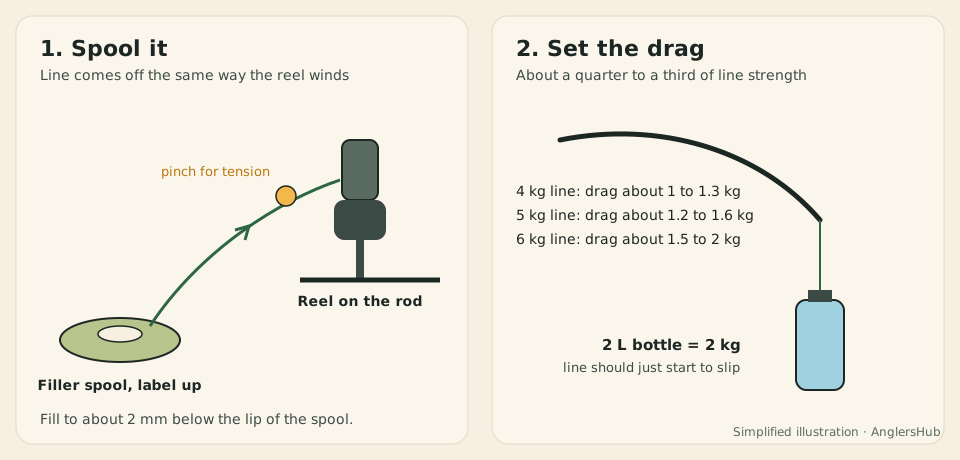
Spool the reel
Open the bail
Flip the wire arm (bail) over, tie the line to the reel spool with an arbor knot, trim the tag and close the bail.
Lay the filler spool flat
Put the shop spool label-up on the floor. A spinning reel twists line as it winds, so the line should come off the spool in the same direction the reel winds it on.
Keep tension
Pinch the line lightly between your fingers in front of the reel as you wind. Loose line causes tangles later.
Check for twist
After 20 turns, drop some slack. If the line curls up, flip the filler spool over and carry on.
Stop just short
Fill to about 2 mm below the lip of the spool. Overfilled reels throw loops.
Set the drag
The drag lets line slip off the reel when a fish pulls hard, so your line does not snap. A common rule is to set it to about a quarter to a third of the line's breaking strain. On 5 kg line that is roughly 1.2 to 1.6 kg.
The simplest way: tie the line to a 2 litre bottle of water (about 2 kg), lift it with the rod, and loosen the drag knob until line just starts to slip as you lift. That puts you in the right zone for 6 kg line. Or ask the tackle shop to set it.
Common mistake: cranking the drag tight "so the fish can't take line". The line snaps instead. Let the drag work.
Learn one knot
Learn the palomar knot before your first trip. It is strong, easy to tie and works on mono and braid. Our guide to the knots every angler needs walks you through it.
Your first trip checklist
- Rod and reel, spooled and drag set
- Tackle box with hooks, sinkers, soft plastics and a float
- Bait for kurper or carp if you want a backup
- Pliers, clippers and a towel
- Licence and ID, or the venue's day ticket
- Hat, sunscreen, polarised glasses and plenty of water
- Phone charged, and the Bite Score checked on the Weather Hub
Then pick a dam from the fishing spots near you, go early, and log your first catch on AnglersHub.
Sources
- Gauteng Nature Conservation Ordinance 12 of 1983, section 74 (angling licence for anglers aged 16 and over).
- CapeNature. Angling licences. Permit page.
- Merwin, J. Tie the strongest fishing knots. Field and Stream, republished by Popular Science (2021). Article.
- Prices are a rough guide from South African tackle shops in October 2026 and will vary.