You let a good fish go so it can grow, spawn and be caught again. But a fish that swims off is not always a fish that lives. Too long in the air, a dry towel, a knotted net or a hook ripped out of its throat can kill it hours or days later, long after you have packed up.
The good news is that scientists have studied catch and release for more than 50 years, and the answer is clear: most released fish survive when they are handled well. This guide covers the rules that apply to every fish, then the extra care that bass and carp need on South African dams.
We mark how sure the science is as we go. Most of this research was done overseas on other species, so where we apply it to our fish we say so.
In 30 seconds
- Keep it in the water. Unhook in the water where you can. In the air, count to 10, not 60.
- Wet hands, never dry. No towels, no dry grass, no hot boat deck. The slime is the fish's skin armour.
- Rubber net, not knotted. Knotted nets strip slime and scales and killed the most fish in tests.
- Deep hook? Cut the line. Pulling out a swallowed hook killed more than three times as many fish.
- Bass: thumb in the lip is fine for small fish. Support big ones with a second hand under the belly.
- Carp: always on a wet unhooking mat, kneel low, photo straight away, no hours in a sack.
Do released fish really survive?
Mostly, yes. In 2005, two American scientists pulled together 274 survival estimates from 53 catch and release studies on 48 species (Bartholomew and Bohnsack, 2005). They found:
11% typical death rate (median)
18% average death rate
0 to 95% range between studies
46% of estimates under 10%
That huge range is the point. Some fisheries lose almost nothing, others lose most of what they release. The difference comes down to a short list of things, and the biggest by far was where the fish was hooked. Deeper capture water and warmer water also raised the death rate. (Strong evidence: a large review of many studies.)
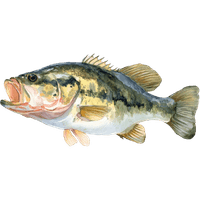
Bass show the same pattern. In a study of hooked largemouth bass, 98% of fish hooked in the mouth survived, but only 66% of fish hooked in the gullet (Wilde and Pope, 2008). Their survival model, built from many studies, puts mouth-hooked bass at about 98% and gullet-hooked bass at about 55%. (Strong evidence.)
The takeaway: how you hook, land and hold a fish decides whether it lives. Almost all of it is in your hands.
Keep reading for free
Create a free AnglersHub account or sign in to read the rest of this guide. It takes less than a minute and opens every free guide in the Academy.
You come straight back to this guide afterwards.
Air: the 10-second rule
Fish breathe by passing water over their gills. In air, the fine gill filaments collapse and stick together, so a fish out of water cannot take in oxygen, at the exact moment it needs it most after a fight.
A Canadian lab study measured this in rainbow trout that were played out, then held in the air before release (Ferguson and Tufts, 1992):
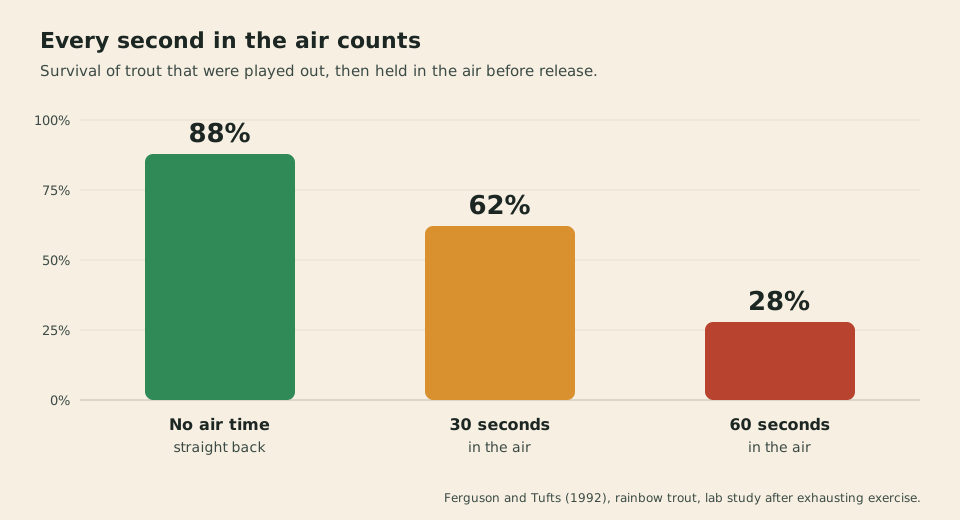
Trout are more fragile than bass or carp, and those fish were pushed to total exhaustion first, so do not read these numbers as the death rate for a bass on the bank. The lesson still holds for every species: air time after a hard fight does real harm, and it adds up fast. (Strong evidence for trout; the direction holds for other fish, the exact numbers do not.)
The B.A.S.S. guidebook Keeping Bass Alive gives a simple test: never keep a fish out of the water longer than you can hold your own breath. If you are gasping, so is the fish.
- Have pliers, line cutters and the camera ready before you land the fish.
- Unhook in the water, or in the net in the water, whenever you can.
- Lift the fish for the photo, then put it back. If you need a second photo, let it breathe in between.
- Never pass a fish around a group or walk it up the bank to show your mates.
Slime: why wet hands matter
That slippery coat on a fish is mucus, and it is not dirt. It is a living layer that keeps out bacteria, fungus and parasites and helps the fish control the salt and water in its body. Rub it off, and the bare patch is an open door to infection.
You can see this in a landing net study on sunfish in Canada (Barthel and others, 2003). Fish were landed with four kinds of net, held in the net for 30 seconds, then kept for a week:
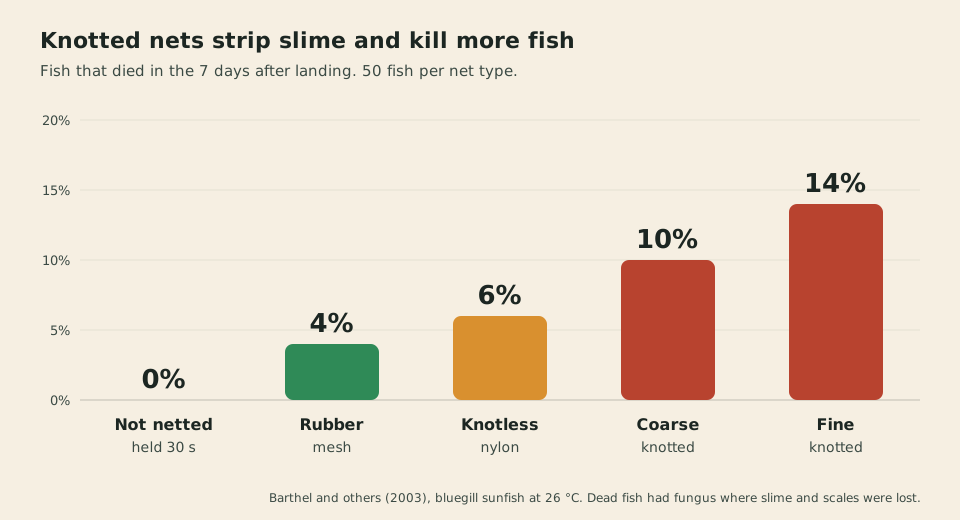
So few fish died that the authors warned the death figures are rough, but the damage pattern was clear: knotted mesh did the most harm, rubber and knotless mesh the least. (Good evidence for injury; the death rates are a small sample.)
Other things that strip slime:
- Dry hands, towels and cloths. Always wet your hands first. A 2009 study found gloves took off about as much slime as bare hands, so wet, clean hands are fine (reported in Brownscombe and others, 2017).
- Sunscreen and insect repellent on your hands. In one study on bonefish, fish handled with sunscreen-coated hands got significantly more fungal infections than fish handled with wet hands (Hannan and others, 2015, reported in Brownscombe and others, 2017). Rinse your hands in the dam before you touch a fish.
- Sand, rocks, dry grass, boat carpet and hot decks. Rough or hot surfaces scrape and burn the skin. Lay a fish only on a wet mat or a wet, smooth surface.
Myth: "A towel helps you grip the fish without hurting it."
Fact: A towel is the fastest way to wipe the slime off. Use wet hands and a firm, gentle grip instead.
Hooks and deep hooking
Since hook position is the biggest single factor in whether a fish lives, the best handling starts before the bite.
Strike early and keep the line tight
Fish swallow baits deeper the longer they hold them. Bait left lying with slack line, and small hooks, are the classic causes of deep hooking (Brownscombe and others, 2017). Watch your line, strike on the take, and use a hook size that suits the fish.
Circle hooks: great for bait, less so for bass lures
A big review found circle hooks usually hook fish in the jaw rather than the gut, and that death rates were "consistently lower" than with J hooks across many fisheries (Cooke and Suski, 2004). But the benefit depends on the species and the method. In largemouth bass, circle hooks gave little extra benefit and caught only about half as many fish (Cooke and others, 2003). (Strong evidence that it depends on the fishery.) They make most sense for bait anglers who leave a rod in a holder.
Barbless hooks
Flattening the barb makes unhooking faster and gentler. There is less proof that it saves lives on its own, but less time in the air and less tearing is always a win (Brownscombe and others, 2017).
If the hook is swallowed, cut the line
This is the one most anglers get wrong. When a hook is deep in the throat or gut, the instinct is to dig it out. The research says do not.
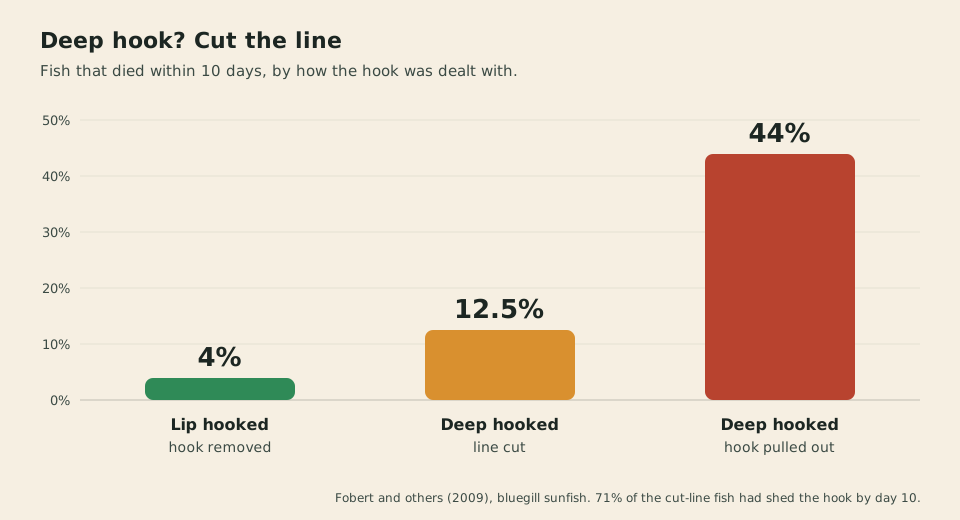
In a study on deeply hooked sunfish, 44% of fish died within 10 days when the hook was pulled out, against 12.5% when the line was simply cut close to the mouth. Pulled hooks caused far more bleeding, and most fish with heavy bleeding died. Of the fish left with a hook in, 71% had got rid of it by day 10 (Fobert and others, 2009). Older trout studies found the same thing: about three times more deaths when deep hooks were removed. (Strong evidence: several studies, several species.)
Never pull on a hook that is in the gills or deep in the throat. Cut the line as short as you can and release the fish.
Landing, holding and letting go
Land it fast
Use tackle strong enough for the fish and the cover you are fishing. A fish played on line far too light, especially in hot water, burns through its energy and builds up lactic acid. In one study of real fishing with normal gear, fight time made little difference to stress (reported in Brownscombe and others, 2017), so you do not need to horse fish in. Just do not drag the fight out on tackle that is too light.
Hold it like you mean it
- Keep your fingers away from the gills and the eyes. Gills tear and bleed very easily.
- Do not squeeze the belly. That is where the heart, liver and other organs are.
- Hold the fish low, over water or a wet mat, so a slip is a splash, not a fall.
- Support big fish horizontally with two hands. Hanging a heavy fish straight down by its jaw puts all its weight on the jaw joint and the spine.
Release it properly
- Hold the fish upright in the water, facing into any current or wind ripple, until it kicks away on its own.
- Do not throw a fish back or drop it from a height.
- Do not swish it backwards. Water should go in the mouth and out the gills.
- Release into decent water, not a hot, shallow, weedy corner.
- Watch it go. A fish that rolls on its side or cannot stay upright is in trouble: catch it gently and hold it upright again. In a bonefish study, fish that lost their balance after release were six times more likely to be eaten within half an hour (Danylchuk and others, 2007, reported in Brownscombe and others, 2017).
Warm water needs extra care
Warm water holds less oxygen, and fish use more of it, so everything above matters more from December to February. Fish lighter, land faster, keep air time shorter, and on very hot days think about fishing early and late instead. Our Fishing in the Heat guide covers summer in detail.
Bass care
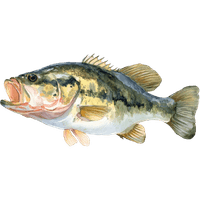
Largemouth bass are tough fish, but they get handled more than any other species in South Africa: lipped, weighed, photographed and often kept in a livewell. These are the bass-specific rules.
Lipping a bass: what the science says
Grabbing a bass by the lower lip with your thumb is safe for the fish, as long as you do it properly. A study on Florida largemouth bass compared three holds: hanging vertically from a lip grip tool, a one-handed hold by the lower jaw, and a two-handed hold with the second hand under the belly (Skaggs and others, 2017). The fish were then watched for feeding, jaw damage and survival.
7 s to recover with two-hand support
12 s with a one-hand jaw hold
33 s hanging vertically
Same feeding and survival for all three
None of the holds changed how well the bass fed afterwards, or how many survived. But two-handed support got the fish back to normal fastest, so that is what the researchers recommend. (Good evidence: one controlled study.)
A separate X-ray test on 2 to 6 lb bass, reported by Wired2Fish with a fisheries biologist and two vets, found no broken jaw bones in any position. But the biggest fish's jaw joint made an audible pop when it was bent hard downward, and it was looser afterwards. (Weak evidence: a magazine report, not a published study, but it agrees with the advice above.)
Small bass
Thumb in the lower lip, fingers under the chin. Keep the fish close to vertical, not bent back. Quick photo, back in.
Big bass
Thumb in the lip and your other hand flat under the belly, so the body is horizontal. Never hold a big bass out at an angle with its jaw bent down.
Lip grip tools
Fine for control, but do not let a bass swing or twist on one, and do not hang a fish from it. In bonefish, lip grippers caused serious mouth injuries, including broken jaws (Danylchuk and others, 2008).
Bass on beds
In spring, male bass guard the nest, the eggs and then the fry. While he is off the nest, other fish such as bluegill move in and eat the eggs and fry. Research in Canada found angling of nest-guarding males was heavy enough on some waters to cut the number of young bass produced (Philipp and others, 1997). (Good evidence.)
- Release a bed fish immediately, right where you caught it, so he can get straight back to the nest.
- Skip the long photo shoot and the livewell in spawning season.
- If you can see the eggs or fry, think about leaving that fish alone.
Bass from deep water
A bass pulled up quickly from deep water can come up bloated, floating on its side with its belly up. This is barotrauma: the gas in the swim bladder expands as the fish comes up. The B.A.S.S. guidebook flags fish from deeper than about 6 m (20 ft) as at risk. Most bass in our dams are caught shallower than this, but on deep clear dams in winter it does happen. The best fix is to land deep fish slowly and release them straight away. Venting with a needle should only be done by someone trained to do it, and pushing a needle down the throat is no longer recommended at all. See the livewell guide for more.
Carp care
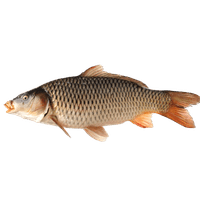
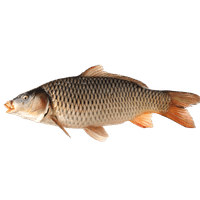
Carp are big, heavy and slippery, and in South Africa they are often caught after long sessions, photographed at night and sometimes kept in a sack until morning. They are also remarkably tough fish. That toughness is not a reason to be careless, but it does mean a carp handled well has an excellent chance.
The unhooking mat is not optional
A carp lifted out of the water is a heavy, slippery fish over hard ground. One flip onto stones or a dry bank can tear fins, strip scales and bruise organs. Always use a padded unhooking mat or cradle, and always soak it in the dam first. A dry mat in the sun gets hot enough to burn skin.
- Wet the mat, the net and your hands before the fish comes in.
- Kneel. Hold the fish just above the mat, never standing up.
- Cradle it with one hand under the head, behind the pectoral fins, and the other under the tail end. Keep your fingers clear of the gill covers.
- If it starts kicking, lower it straight onto the mat and wait. Do not try to hold on.
- Splash or pour dam water over the fish while you unhook it. Keep the mat in the shade.
- Carry a carp back to the water in a wet sling or the net, not in your arms.
These are standard carp angling practice. No study has tested unhooking mats directly, but they follow from the slime and air research above.
Photos: straight away, not after a night in the sack
German and Canadian researchers tested carp sacks and air time properly, in the lab and on wild carp in a lake (Rapp and others, 2012 and 2014). Fish were caught, kept in sacks for up to 9 hours, then held in air for a photo-style 10 minutes. What they found:
- No carp died, in the lab or in the wild over two months of tracking.
- In wild carp, the stress hormone cortisol kept rising the longer they were in the sack: from 34 at the start to 121 after 3 hours and 189 after 9 hours (ng/ml).
- Carp kept 9 hours moved less than other fish in the first hour after release, but behaved normally within 12 hours.
- In the lab, 10 minutes in air straight after capture had only a small effect. But the same air time after a night in the sack raised lactic acid by 358% compared with sacked fish that were not lifted out. The fish had recovered in the sack, then the photo session hit them all over again.
The researchers' advice for fish welfare: photograph the fish straight after capture and release it, without sack retention. They also stress that carp are very hardy, and that losses blamed on sacks usually come from bad sack spots: warm, shallow, weedy margins where the oxygen runs out at night. (Strong evidence: lab and field studies on common carp.)
If you do sack a fish: only one fish per sack, only in deep, cool water with some movement, never in a hot, still, weedy margin, and for as short a time as possible. In summer, skip the sack completely. The carp study was done at 12 to 23 °C, not in a Highveld December.
Carp rigs that release the fish
If your line breaks, a carp should never be left dragging a lead or feeder through the weed. Use rigs where the lead can drop off or slide free, and make sure the hook link is weaker than your main line. In papgooi fishing, check that your spring or feeder can slide off the line if it snaps. (Angler practice.)
Carp hooks and mouths
Carp have soft, rubbery lips and no teeth in the mouth, so a well-set hook in the bottom lip comes out easily with forceps. Use a hook size that suits the fish and a bolt-style setup that hooks the fish in the lip as it moves off. Never pull a hook out through the lip if it is caught in the throat teeth or deep in the mouth; cut the line close instead.
Your fish care kit
- Long-nosed pliers or forceps, and line cutters, clipped where you can reach them.
- A rubber-mesh or knotless landing net.
- For carp: a padded unhooking mat or cradle, and a bucket for dam water.
- A wet cloth for your hands is fine, but never on the fish.
- Barbless or flattened-barb hooks where they suit your fishing.
- Your phone ready before you lift the fish.
Fishing a bass comp? Read How to Keep Bass Alive in a Livewell next. New to it all? Start with Your First Bass or Your First Carp, and log your catches in the app.
Final thoughts
Every fish you release is a fish someone else can catch, and a fish that might be twice the size next year. The science boils down to five habits: hook them in the mouth, keep them in the water, keep your hands wet, cut the line on a deep hook, and hold them like the heavy, fragile animals they are.
Share this with your club or your WhatsApp group. The best fish care on any dam is the care everybody uses.
The research behind this guide
We checked every number in this guide against these sources and wrote it in our own words. Most of this research comes from North America and Europe, so we have applied it to South African fishing with care.
- Bartholomew, A. and Bohnsack, J.A. (2005). A review of catch-and-release angling mortality with implications for no-take reserves. Reviews in Fish Biology and Fisheries 15: 129 to 154. doi:10.1007/s11160-005-2175-1.
- Wilde, G.R. and Pope, K.L. (2008). A simple model for predicting survival of angler-caught and released largemouth bass. Transactions of the American Fisheries Society 137(3): 834 to 840. doi:10.1577/T06-273.1.
- Ferguson, R.A. and Tufts, B.L. (1992). Physiological effects of brief air exposure in exhaustively exercised rainbow trout (Oncorhynchus mykiss): implications for "catch and release" fisheries. Canadian Journal of Fisheries and Aquatic Sciences 49: 1157 to 1162.
- Barthel, B.L., Cooke, S.J., Suski, C.D. and Philipp, D.P. (2003). Effects of landing net mesh type on injury and mortality in a freshwater recreational fishery. Fisheries Research 63: 275 to 282. doi:10.1016/S0165-7836(03)00059-6.
- Brownscombe, J.W., Danylchuk, A.J., Chapman, J.M., Gutowsky, L.F.G. and Cooke, S.J. (2017). Best practices for catch-and-release recreational fisheries: angling tools and tactics. Fisheries Research 186: 693 to 705. doi:10.1016/j.fishres.2016.04.018. Source for the glove, sunscreen and bonefish predation findings.
- Cooke, S.J. and Suski, C.D. (2004). Are circle hooks an effective tool for conserving marine and freshwater recreational catch-and-release fisheries? Aquatic Conservation: Marine and Freshwater Ecosystems 14(3): 299 to 326. doi:10.1002/aqc.614.
- Cooke, S.J., Suski, C.D., Siepker, M.J. and Ostrand, K.G. (2003). Injury rates, hooking efficiency and mortality potential of largemouth bass captured on circle hooks and octopus hooks. Fisheries Research 61: 135 to 144. doi:10.1016/S0165-7836(02)00244-8.
- Fobert, E., Meininga, P., Colotelo, A., O'Connor, C. and Cooke, S.J. (2009). Cut the line or remove the hook? An evaluation of sublethal and lethal endpoints for deeply hooked bluegill. Fisheries Research 99: 38 to 46. doi:10.1016/j.fishres.2009.04.006.
- Skaggs, J., Quintana, Y., Shaw, S.L., Allen, M.S., Trippel, N.A. and Matthews, M. (2017). Effects of common angler handling techniques on Florida largemouth bass behavior, feeding, and survival. North American Journal of Fisheries Management 37(2): 263 to 270. doi:10.1080/02755947.2016.1249317.
- Wired2Fish. What happens when you hold a bass? X-ray test by S. Bardin with Hat Creek Veterinary Services. Article.
- Danylchuk, A.J., Adams, A., Cooke, S.J. and Suski, C.D. (2008). An evaluation of the injury and short-term survival of bonefish (Albula spp.) as influenced by a mechanical lip-gripping device used by recreational anglers. Fisheries Research 93: 248 to 252.
- Philipp, D.P. and others (1997). The impact of catch-and-release angling on the reproductive success of smallmouth bass and largemouth bass. North American Journal of Fisheries Management 17: 557 to 567. doi:10.1577/1548-8675(1997)017<0557:TIOCAR>2.3.CO;2.
- Rapp, T., Hallermann, J., Cooke, S.J., Hetz, S.K., Wuertz, S. and Arlinghaus, R. (2012). Physiological and behavioural consequences of capture and retention in carp sacks on common carp (Cyprinus carpio L.), with implications for catch-and-release recreational fishing. Fisheries Research 125 to 126: 57 to 68. doi:10.1016/j.fishres.2012.01.025.
- Rapp, T., Hallermann, J., Cooke, S.J., Hetz, S.K., Wuertz, S. and Arlinghaus, R. (2014). Consequences of air exposure on the physiology and behavior of caught-and-released common carp in the laboratory and under natural conditions. North American Journal of Fisheries Management 34(2): 232 to 246. doi:10.1080/02755947.2013.855279.
- Gilliland, G., Schramm, H. and Driscoll, T. Keeping Bass Alive: A Guidebook for Anglers and Tournament Organizers. B.A.S.S. PDF via Maryland DNR.